
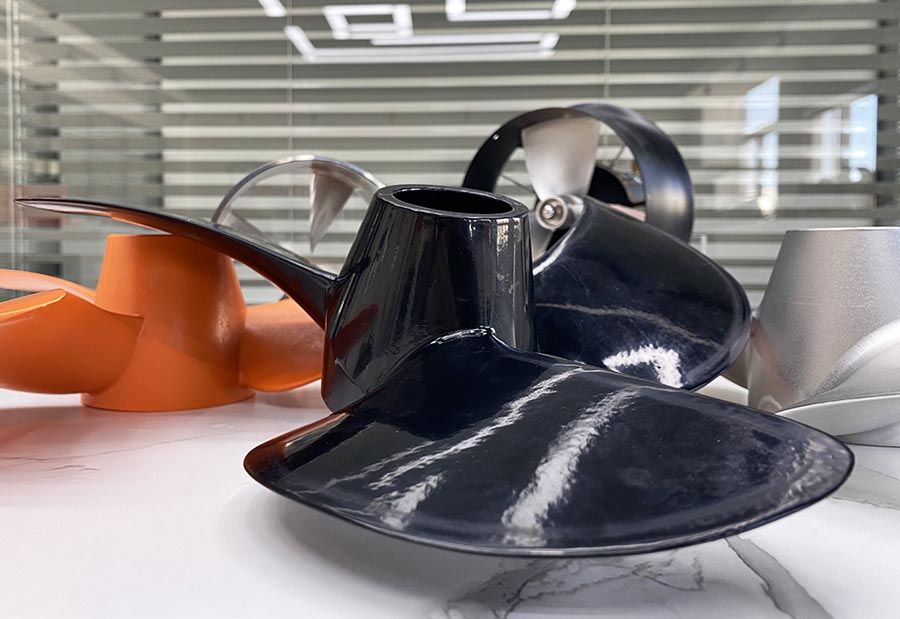
Self-developed propeller
After hundreds of hours of CFD optimization, we significantly reduced the water resistance coefficient of the propeller, ensuring maximum efficiency and further enhancing the range, reducing energy consumption.
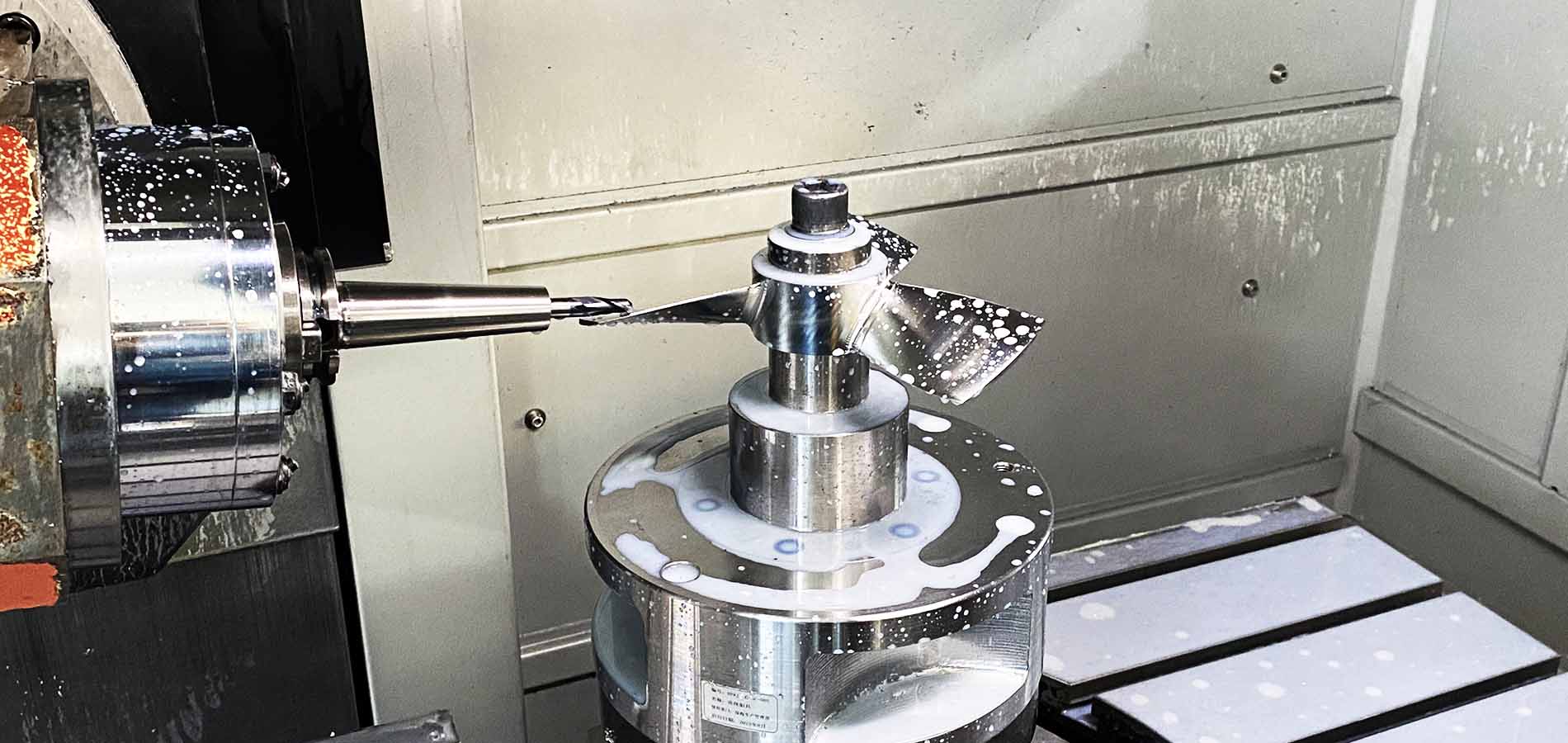
Self-developed propeller
After hundreds of hours of CFD optimization, we significantly reduced the water resistance coefficient of the propeller, ensuring maximum efficiency and further enhancing the range, reducing energy consumption.
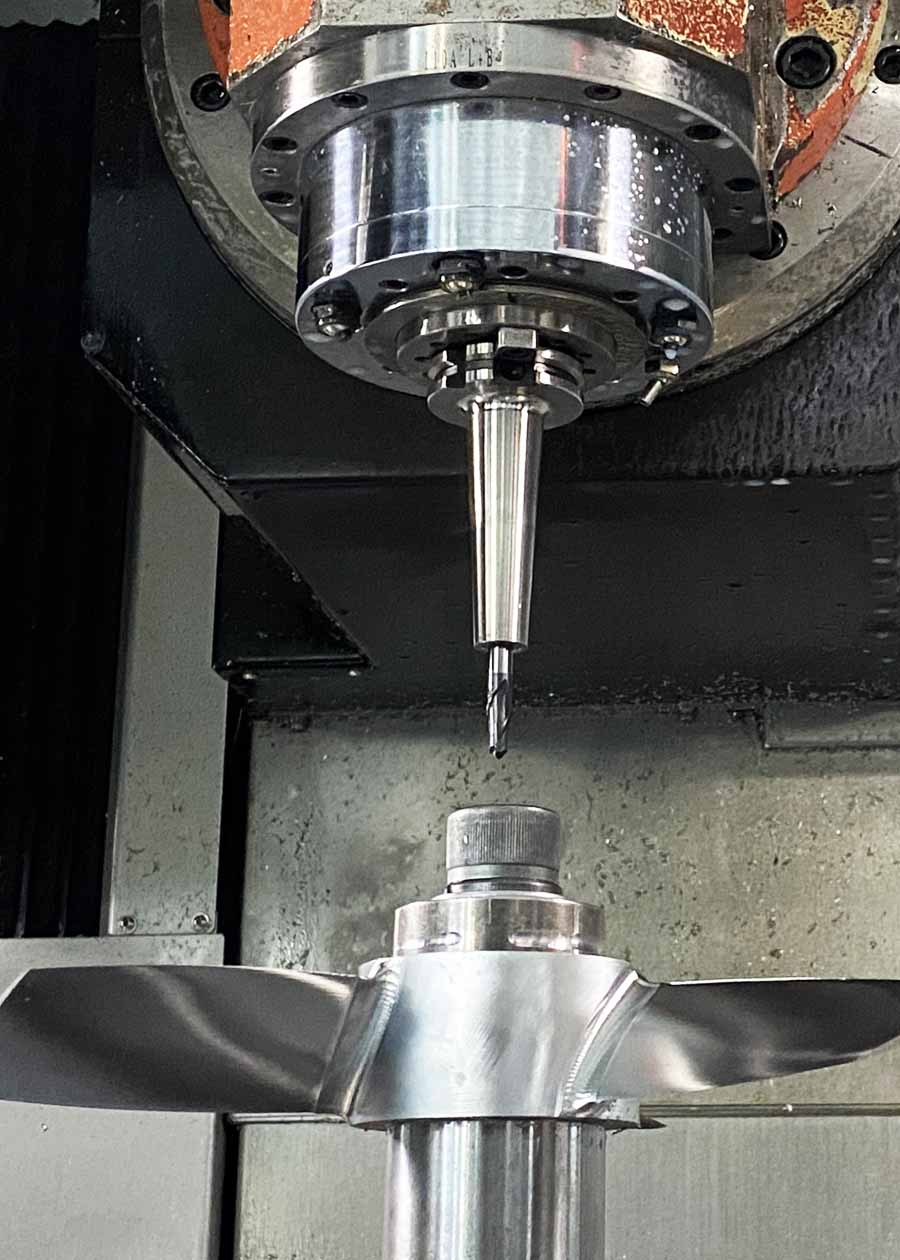
Continuous persistence — Continuous refinement
Products need to be treated with care and attention
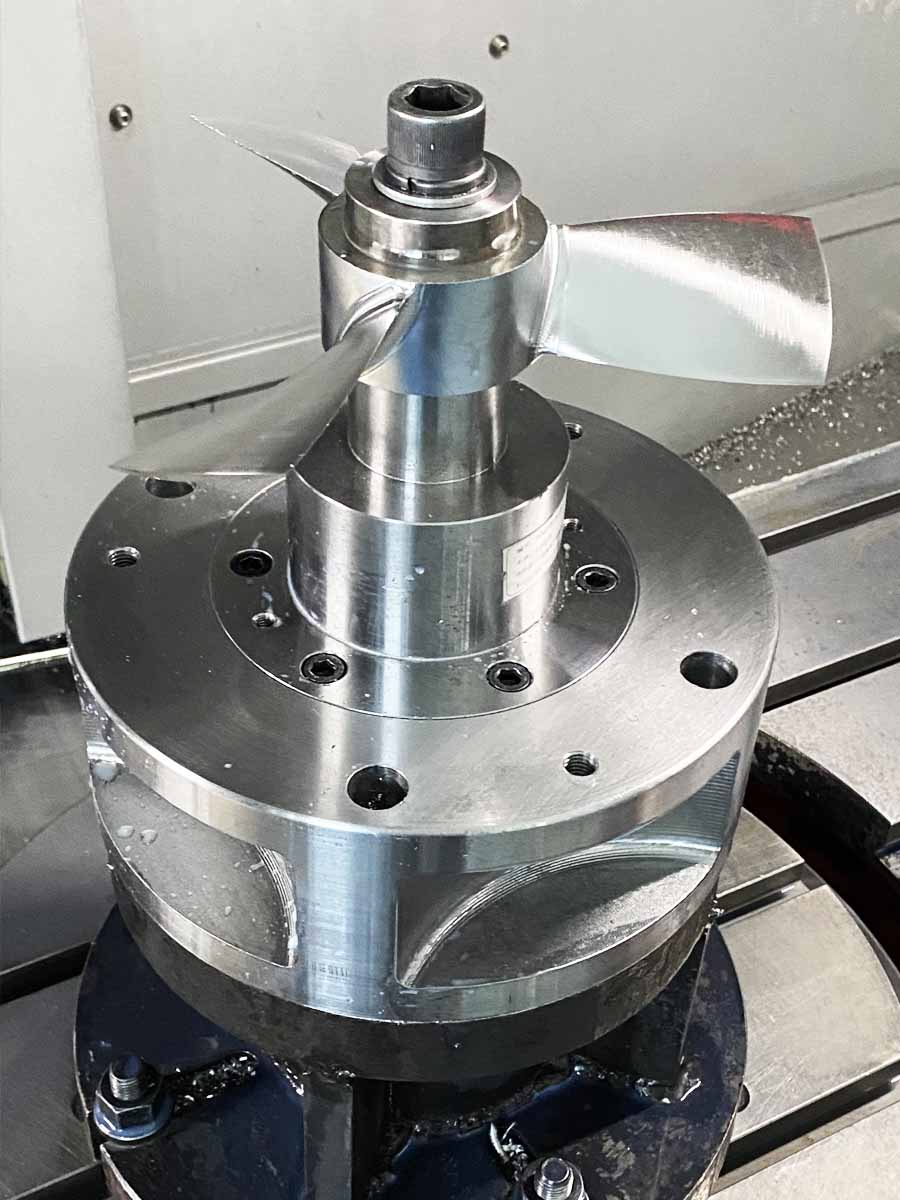
The perfect propeller is initially designed using the NACA airfoil, then optimized through CFD simulation for blade shape and pitch angle. After resistance testing, the final design is completed.
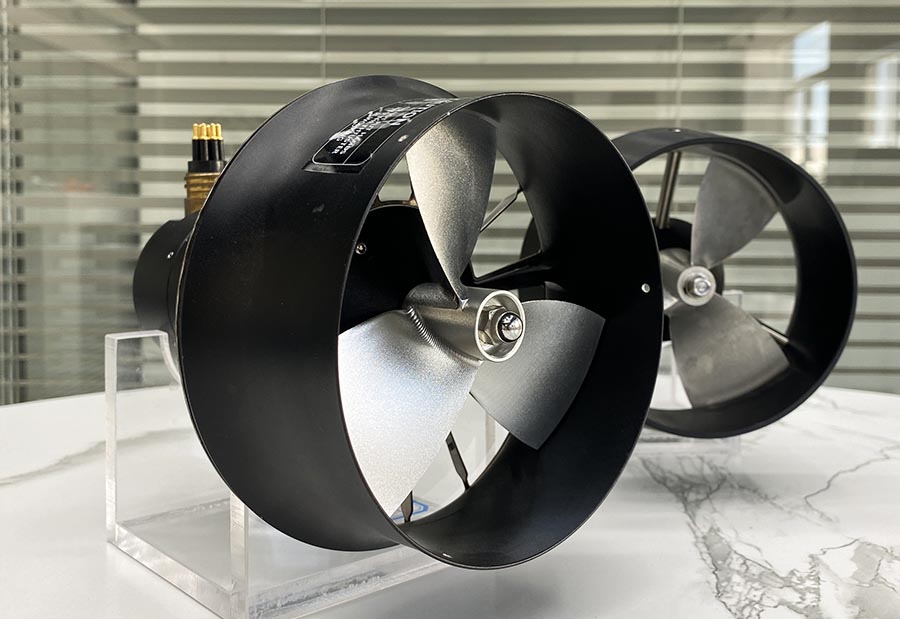
The design of the propeller must be carried out strictly.
Design according to the graph method
Firstly, design with graph method, mainly using Dutch Truust B-type and Japanese AU-type propellers. Then, based on workpiece conditions, apply lifting line theory for preliminary optimization design and thrust/resistance estimation.
Employing Fluent and Star-CCM+ for simulation optimization
The product uses Fluent and Star-CCM+ to perform CFD optimization on the propeller design. The thrust, resistance, and other hydrodynamic coefficients are calculated under different sailing speeds.
Propeller prototype thrust test
The propeller’s thrust is measured by sensors on the test jig and compared with CFD results. The model is corrected and evaluated, then the final optimized design is determined. The thrust test lasts over 1000 hours to check fatigue durability.
The design of the propeller must be carried out strictly.
Design according to the graph method
Firstly, design with graph method, mainly using Dutch Truust B-type and Japanese AU-type propellers. Then, based on workpiece conditions, apply lifting line theory for preliminary optimization design and thrust/resistance estimation.
Employing Fluent and Star-CCM+ for simulation optimization
The product uses Fluent and Star-CCM+ to perform CFD optimization on the propeller design. The thrust, resistance, and other hydrodynamic coefficients are calculated under different sailing speeds.
Propeller prototype thrust test
The propeller’s thrust is measured by sensors on the test jig and compared with CFD results. The model is corrected and evaluated, then the final optimized design is determined. The thrust test lasts over 1000 hours to check fatigue durability.